Mario Sillani Djerrahian
Passeggiata di Scardanelli in Carso
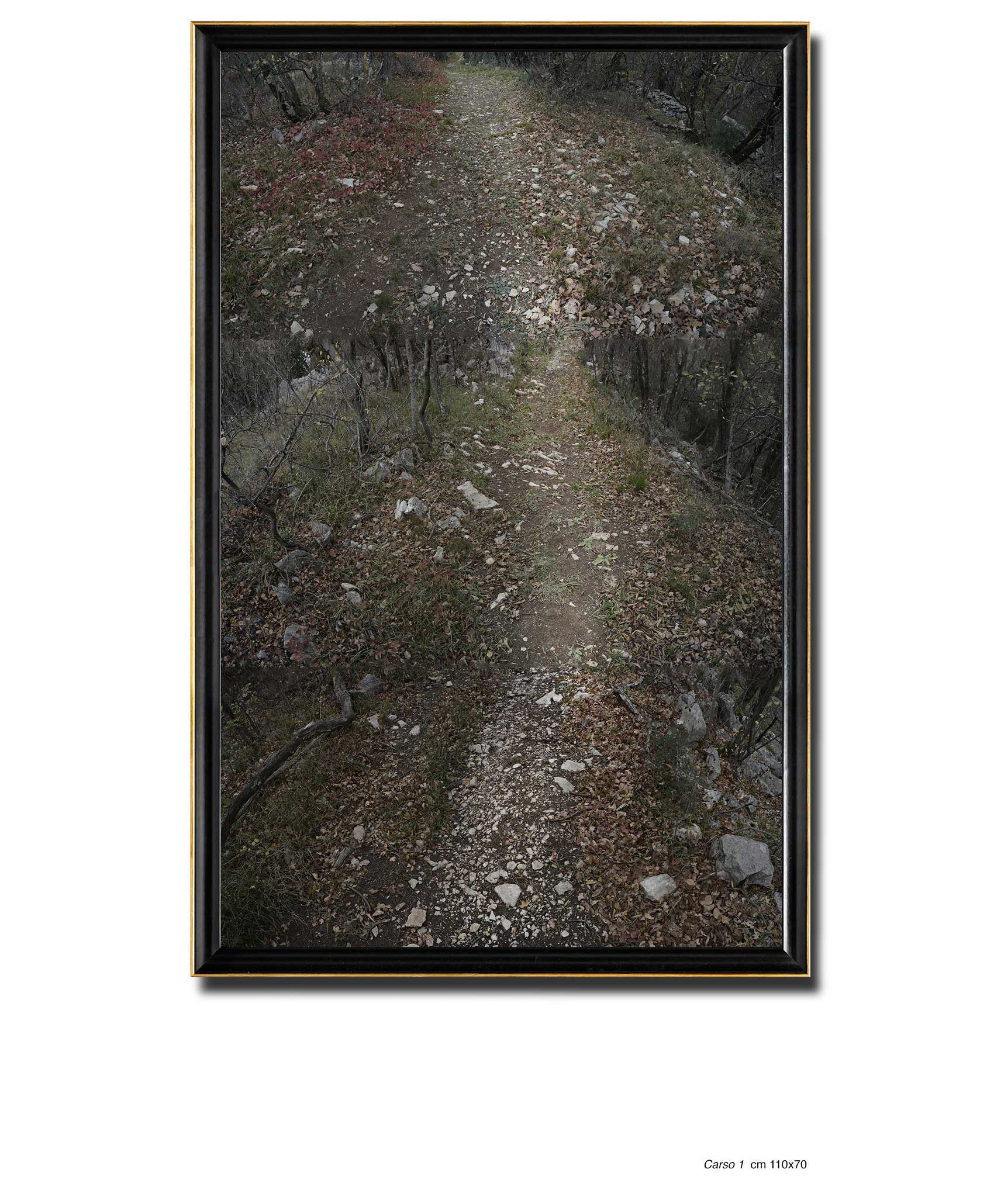
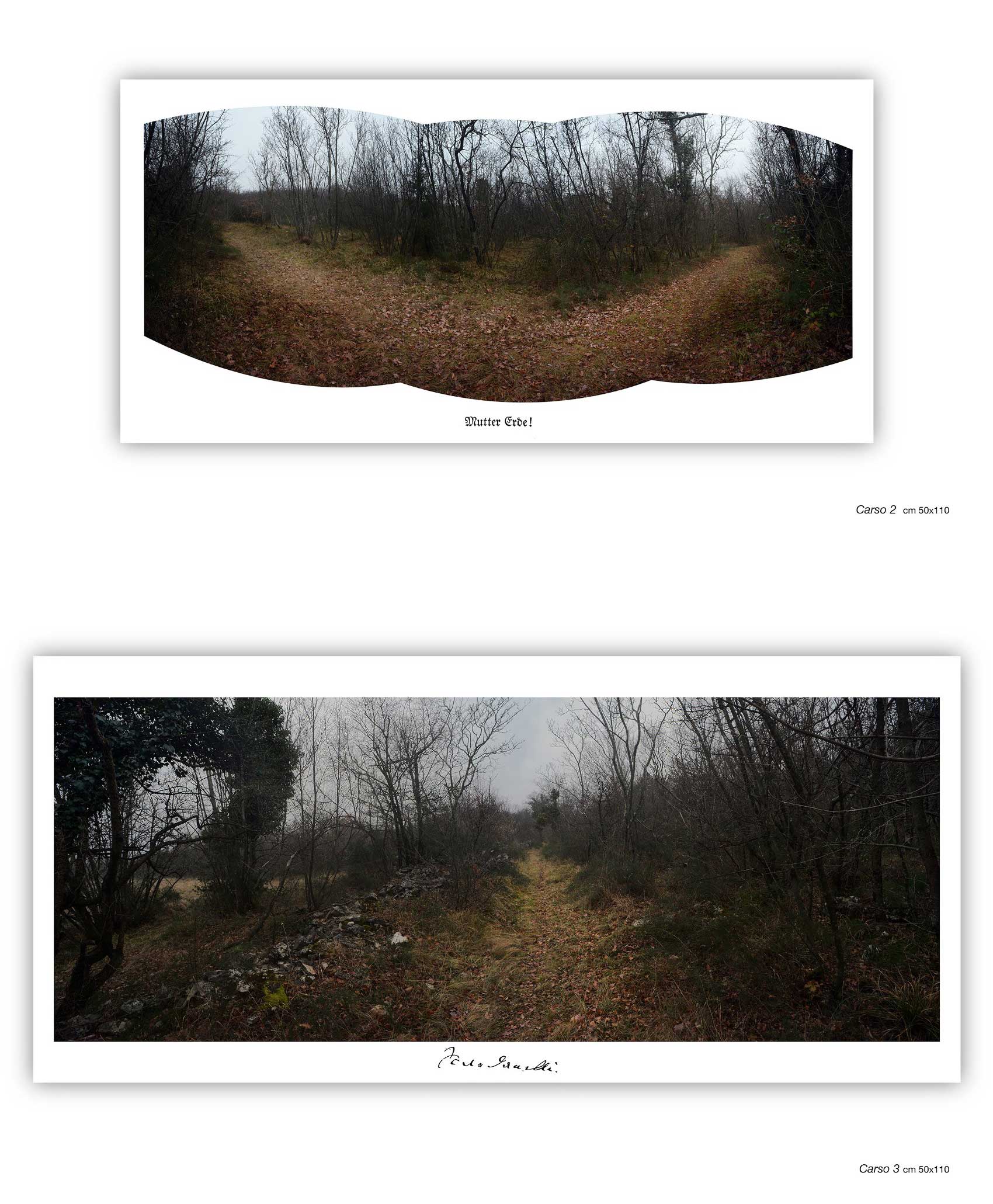
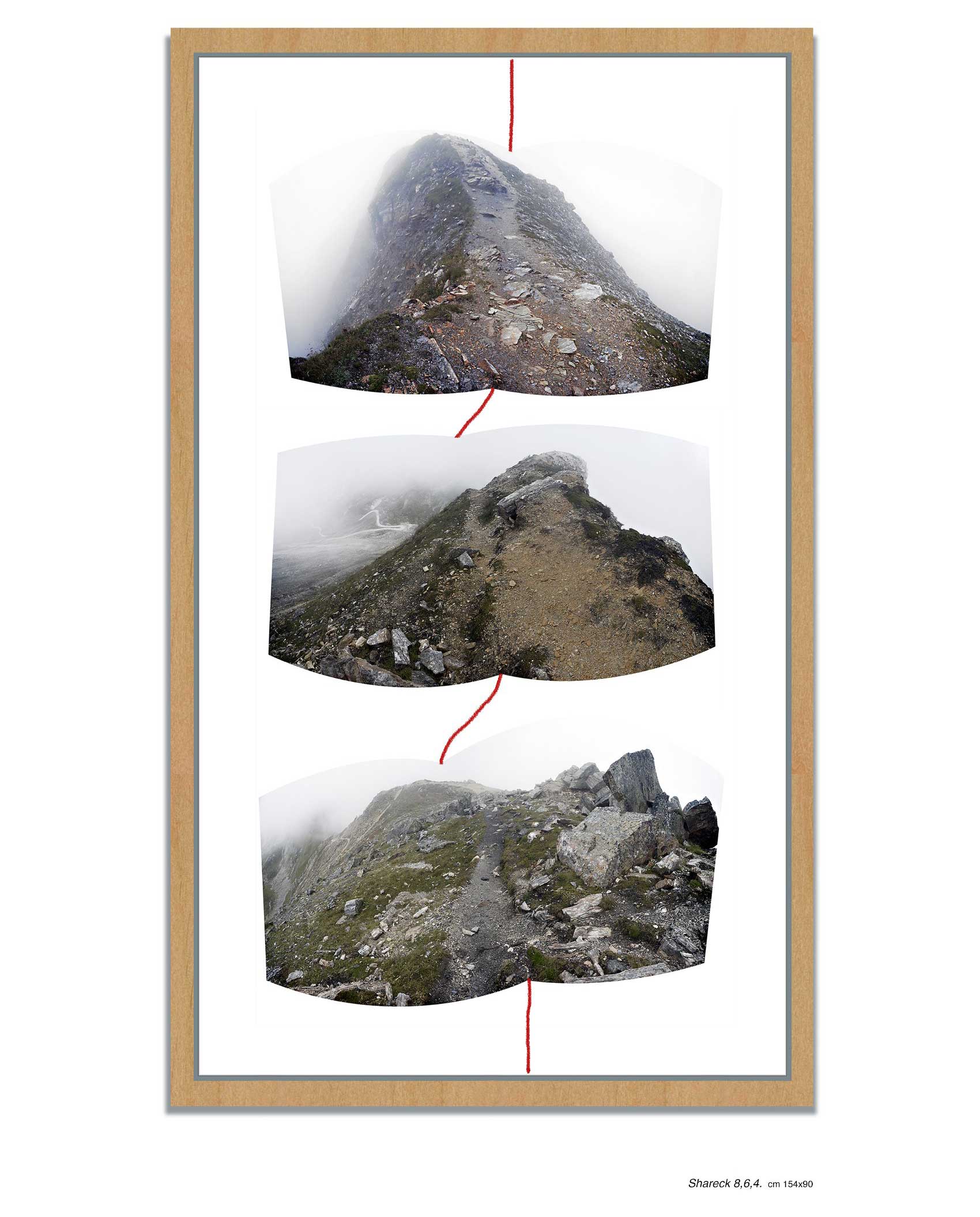
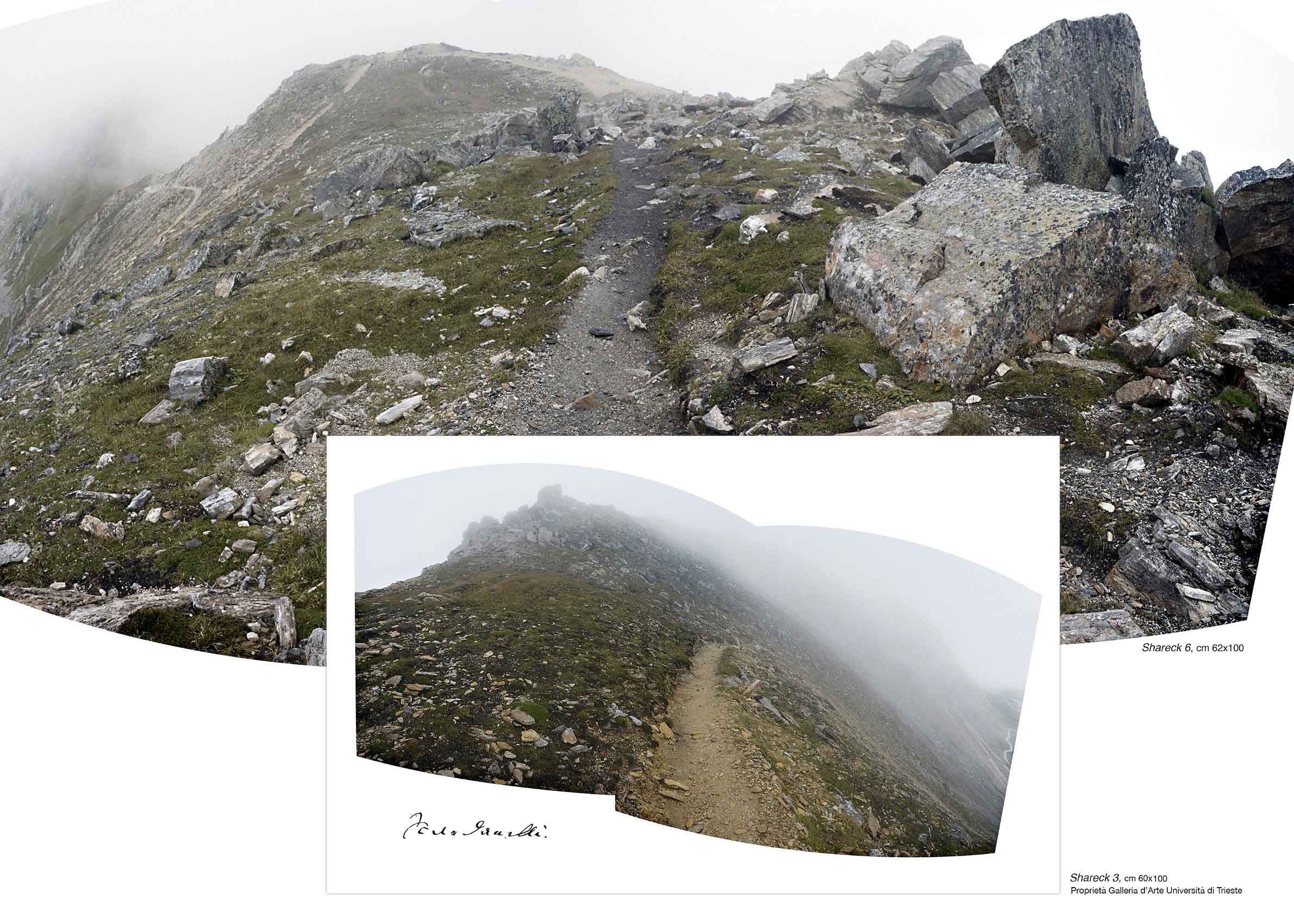
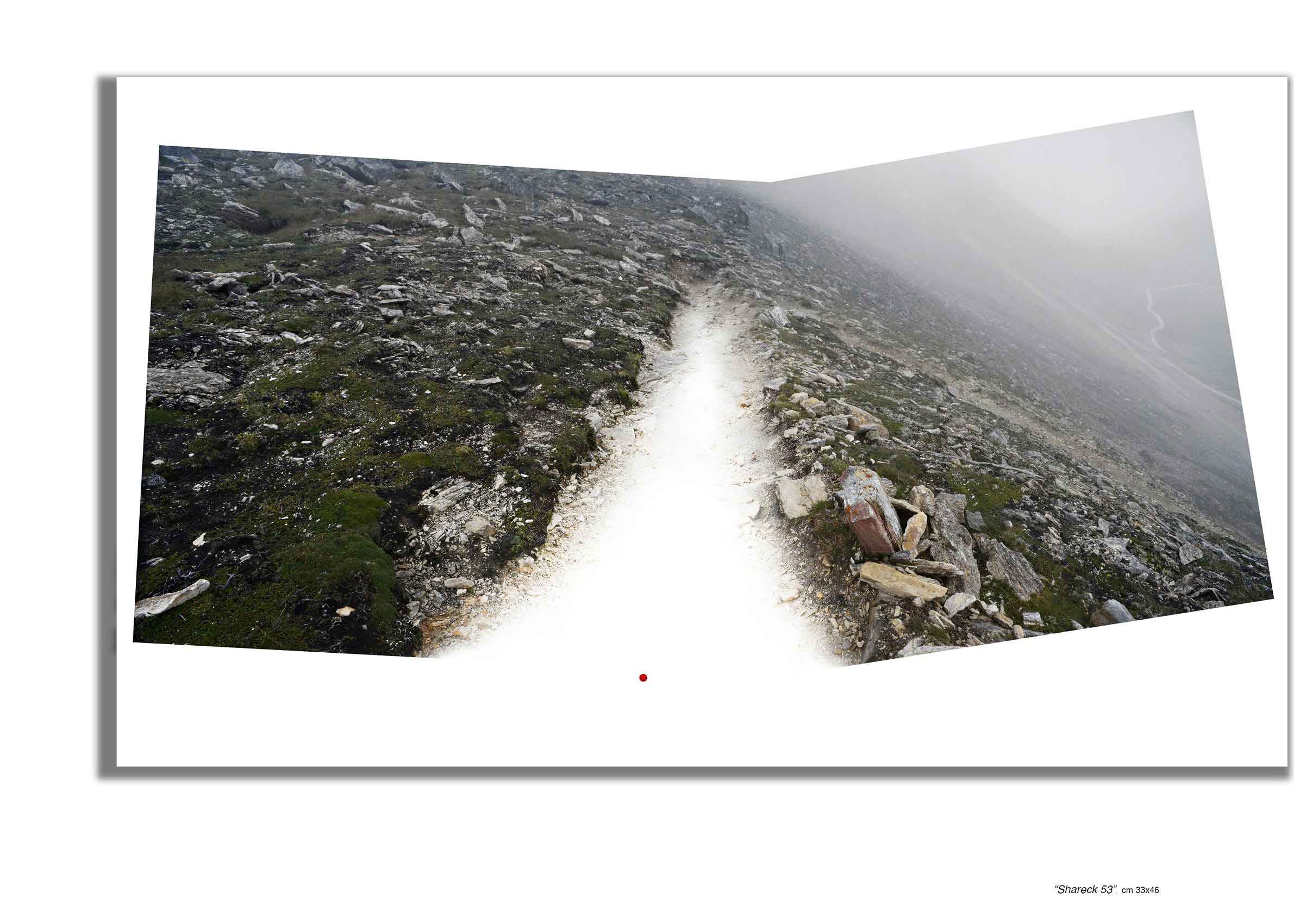
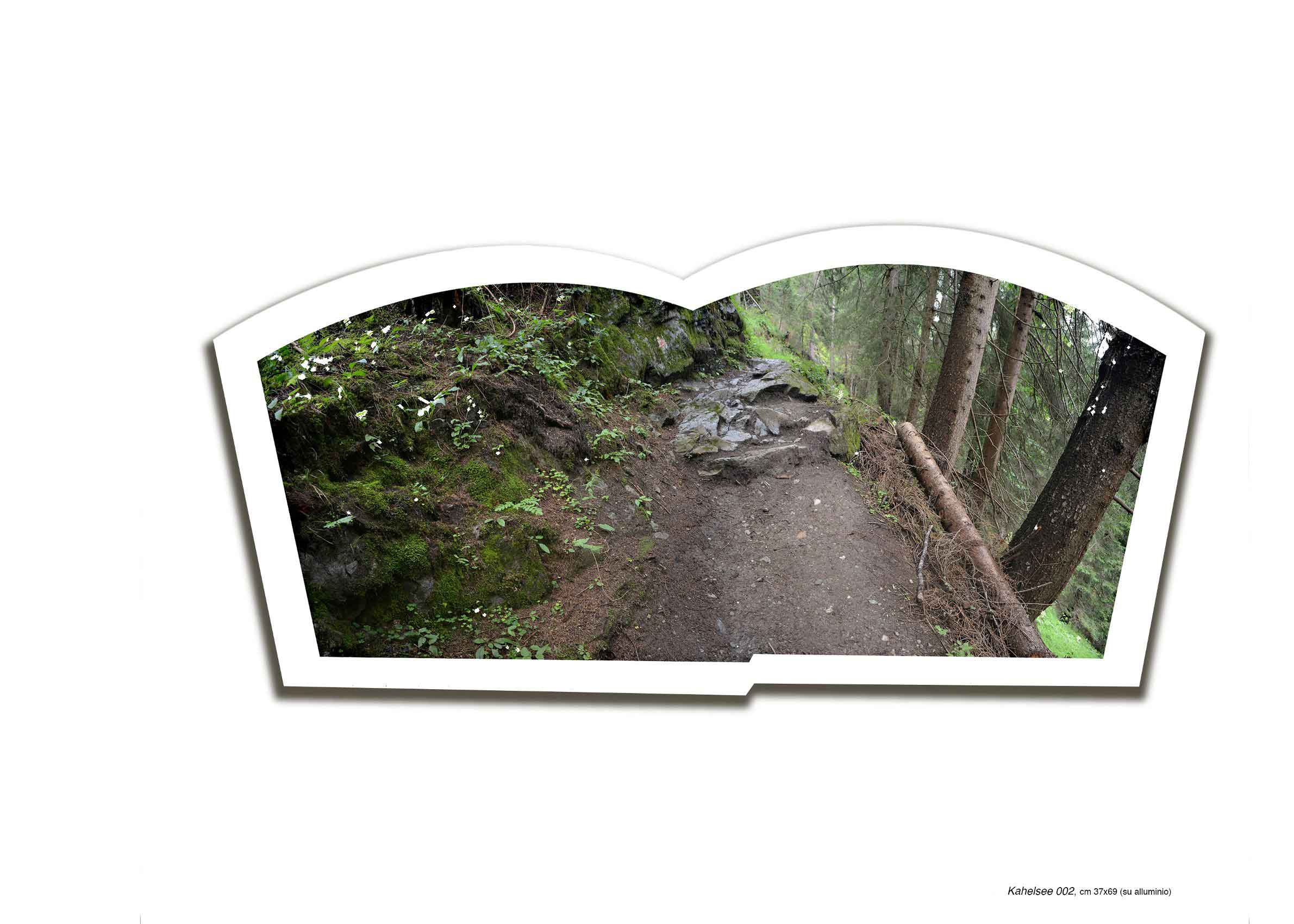
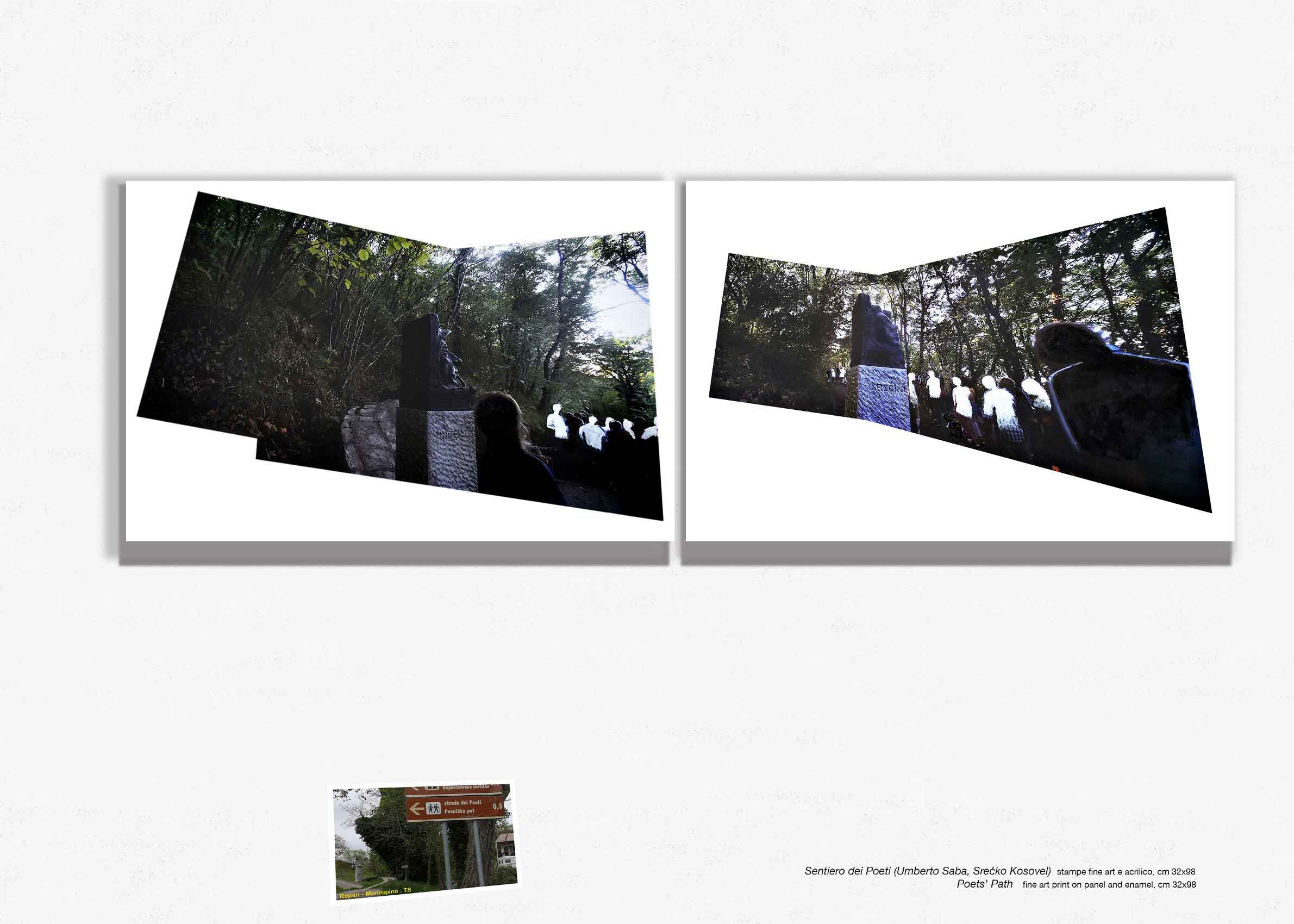
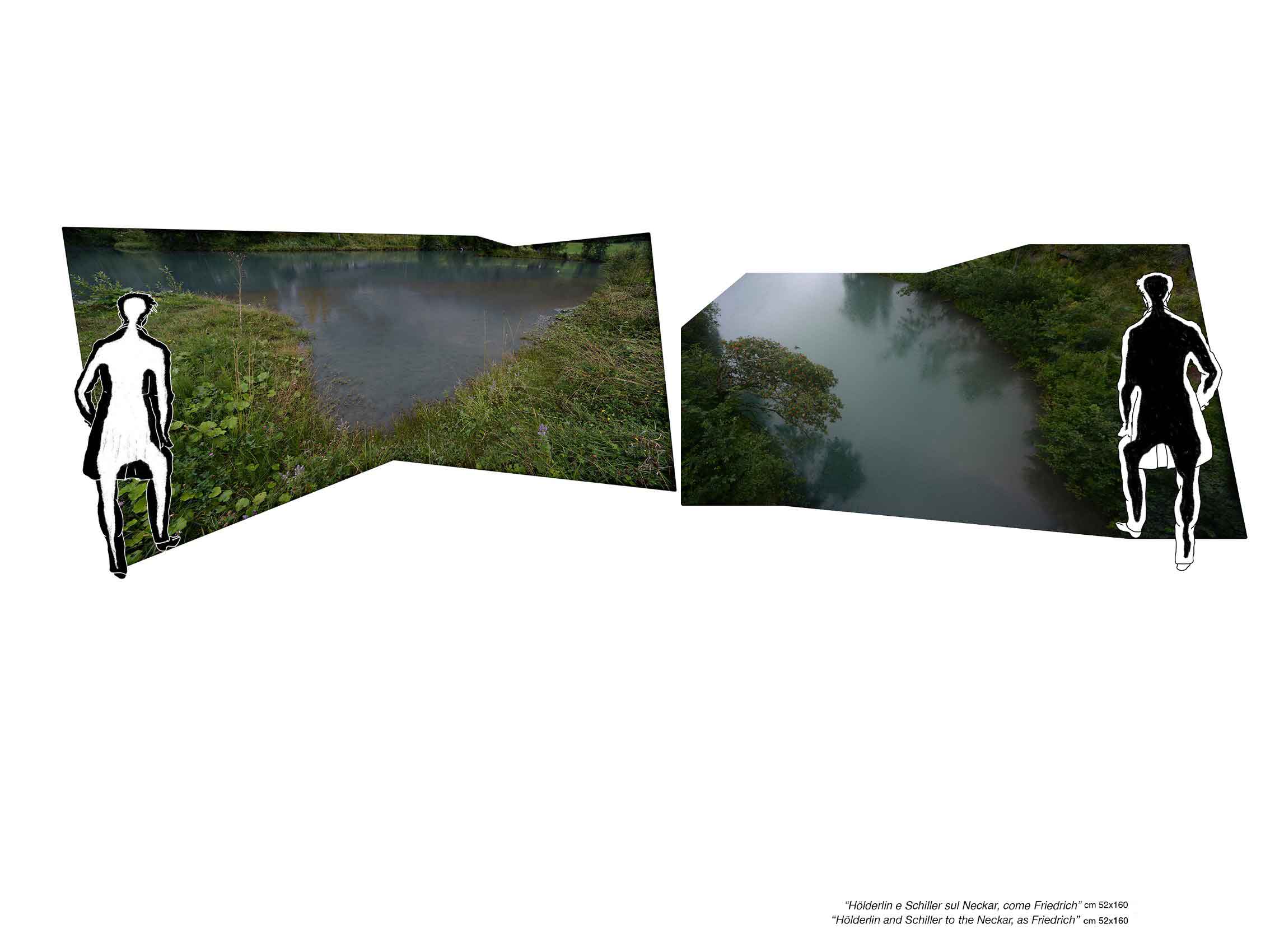
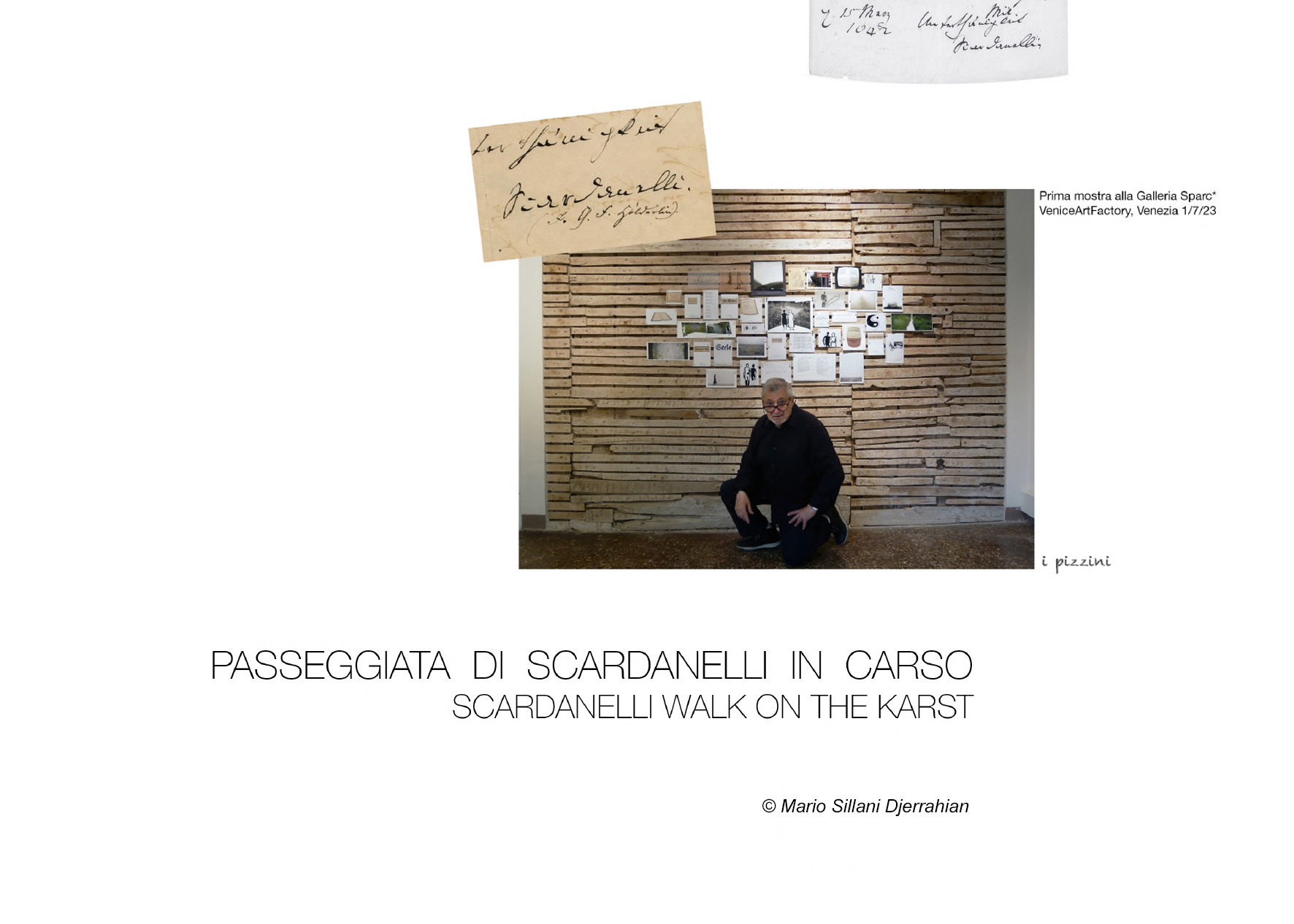
Della vita di Friedrich Hòlderlin, il sommo poeta del romanticismo tedesco, quello che ispira Mario Sillani Djerrahian è la seconda parte dei suoi settantadue anni, e cioè i trentasei passati nella piccola torre sul fiume Neckar nella condizione di malato mentale. Sano di corpo, grazie anche alle lunghe passeggiate giornaliere, Hòlderlin produce ancora la sua poesia con risultati brillanti, firmandosi però con un italianismo che può riferirsi al fatto di essere fuori dai cardini : Scardanelli. Mimare la passeggiata di Hòlderlin-Scardanelli sul Carso triestino è per Sillani il pretesto per sondare l’aspetto esistenziale di trovarsi, di essere, sul sentiero. Scrive Sillani “C’è un vuoto culturale tra me e quel mondo. Se posso avere la piacevolezza delle sue poesie non posso davvero condividere i suoi ideali romantici, classici, religiosi. Ma posso usare la sua storia, la sua Immagine, le sue passeggiate”. Usare per far proprio, come ha fatto Martin Heidegger scrivendo un libro di filosofia utilizzando solo l’inno Andenken , o come Luigi Nono che ha composto il brano musicale Frammenti di silenzio, a Diotima ispirandosi ai testi di varie poesie di Hòlderlin. Ancora Sillani “lo imito le passeggiate di Scardanelli camminando sui sentieri del Carso o di altri luoghi a me cari. Se per molte persone la camminata risulta difficile perché il sentiero è impervio il tentativo di raggiungere la méta sarà per se stesso appagante. Se il sentiero è facile e non intricato l’attenzione sarà tutta sul paesaggio, a destra e a sinistra. Per me il sentiero, qualunque esso sia, risulta essere un vuoto, il Vuoto energetico che sta al centro del mio Paesaggio.” Come del resto lo è stato per un Hòlderlin impazzito che lo percorre senza essere là davvero perché tutto preso nel suo mondo poetante, cioè come stesse al centro di una bolla fatta di sola pura poesia. Dunque per Sillani, che si definisce un paesaggista endotico (non esotico, lontano, ma vicino, interno a se stesso) l’attraversare il paesaggio significa possederlo, come nella definizione che si dà alla pittura cinese, nella duplice forma di vuoto-negativo e pieno-positivo, o viceversa. In sintonia con il simbolo del Tao che lui porta sull’abito degli esercizi di Tai Chi Come ogni forza ha una sua debolezza, come ogni elettrone ha il suo positrone, e persino i buchi neri del cosmo hanno i loro corrispettivi buchi bianchi, così per Sillani ognuno di noi ha un’anima nera e un’anima bianca che ci mantengono in equilibrio col resto della natura. Ed è proprio sul sentiero, che come la radura riceve più luce, la manifestazione di ciò che siamo si fa più evidente, è lì che constatiamo di esserci. “Se io potessi volare ad un metro dal suolo e percorrere così i boschi, le acque, le pietraie ecc. non avrei bisogno del sentiero. Ma per fortuna sono un corpo reale e il rapporto oggettivo con la natura, fatto di incombenze fisiche pressanti, mi permette di fare quel che faccio con i mezzi che ho a disposizione, e di essere quello che sono senza illusioni, finzioni, non verità, ma con la netta sensazione di libertà.” (Gabriella Cardazzo)
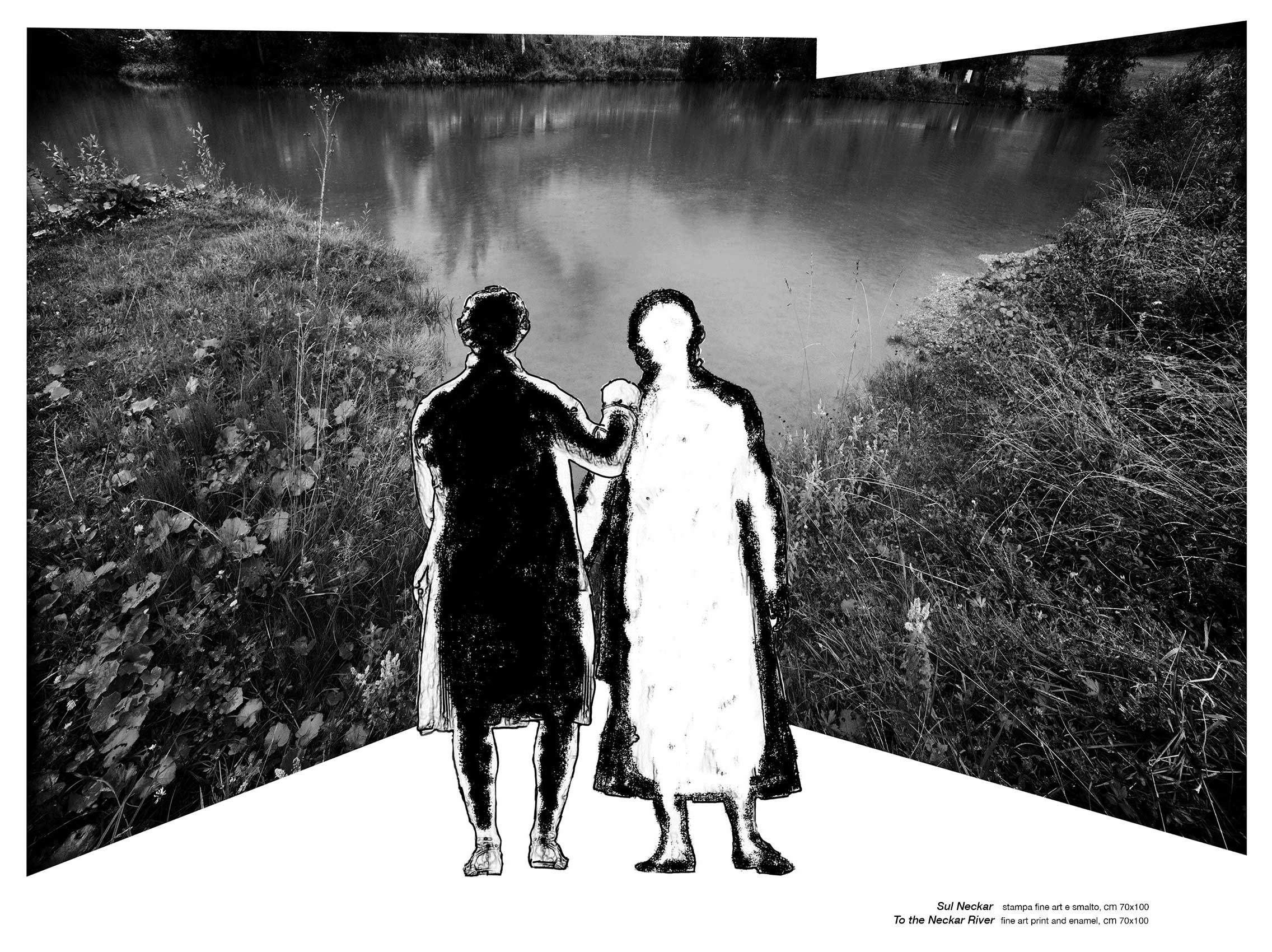
What inspires Mario Sillani Djerrahian, about the life of Friedrich HOlderlin, the supreme poet of German Romanticism, is the second part of his seventy-two years, namely the thirty-six he spent in the small tower on the Neckar River in the condition of a mental patient. Healthy in body, thanks in part to long daily walks, Holderlin still produces his poetry with brilliant results, signing himself however, with an Italianism that may refer to being off the hinges: Scardanelli.
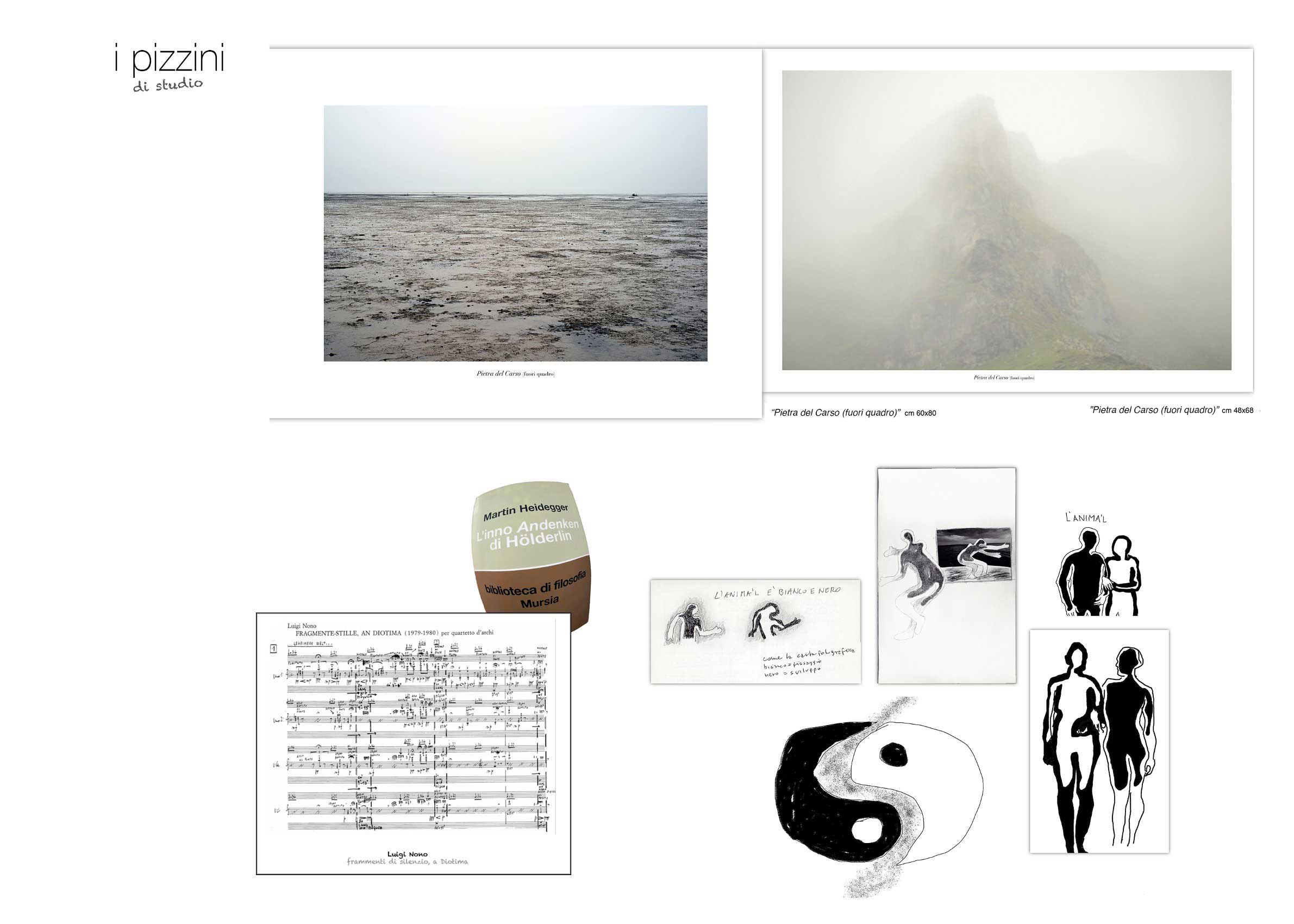
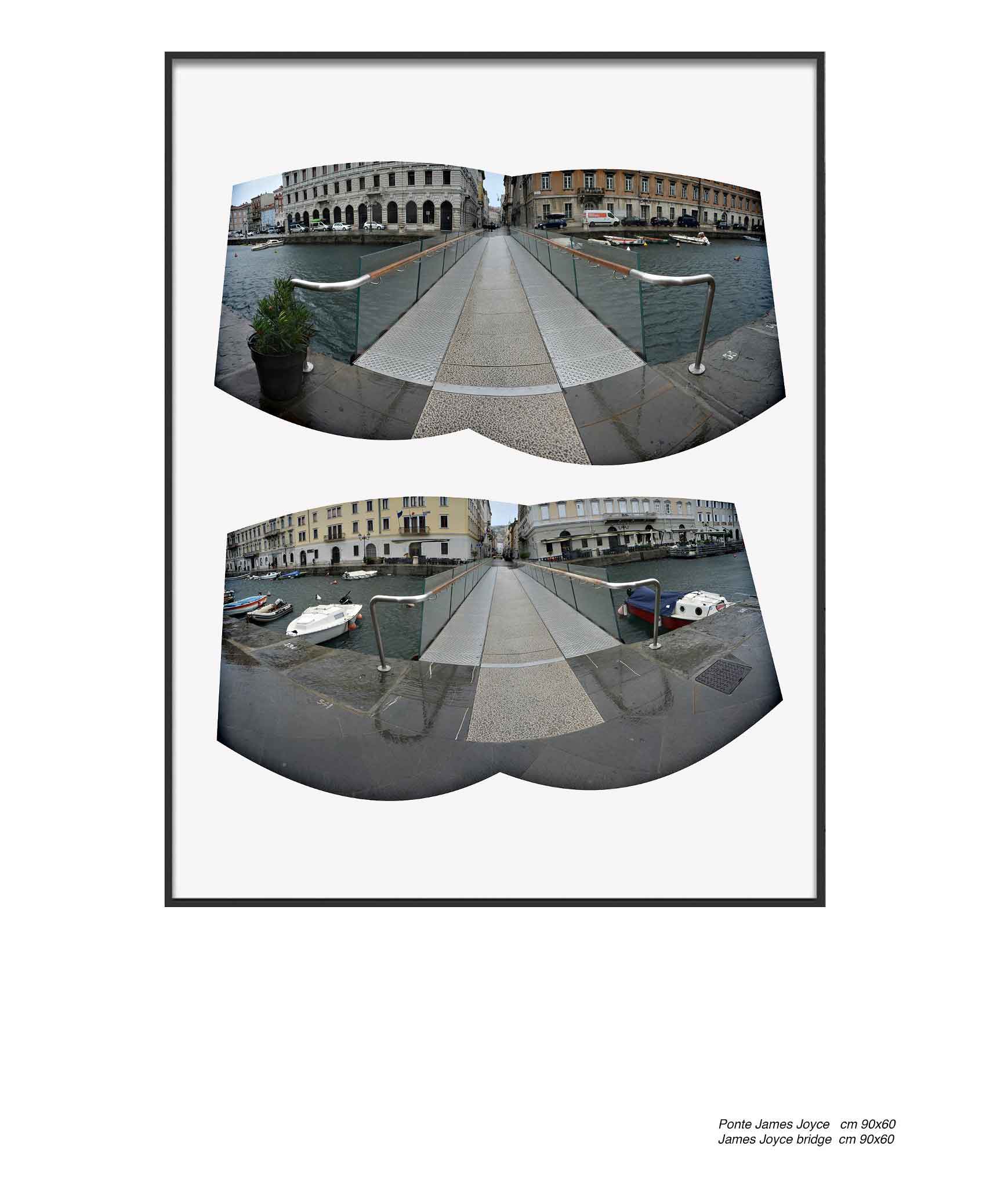
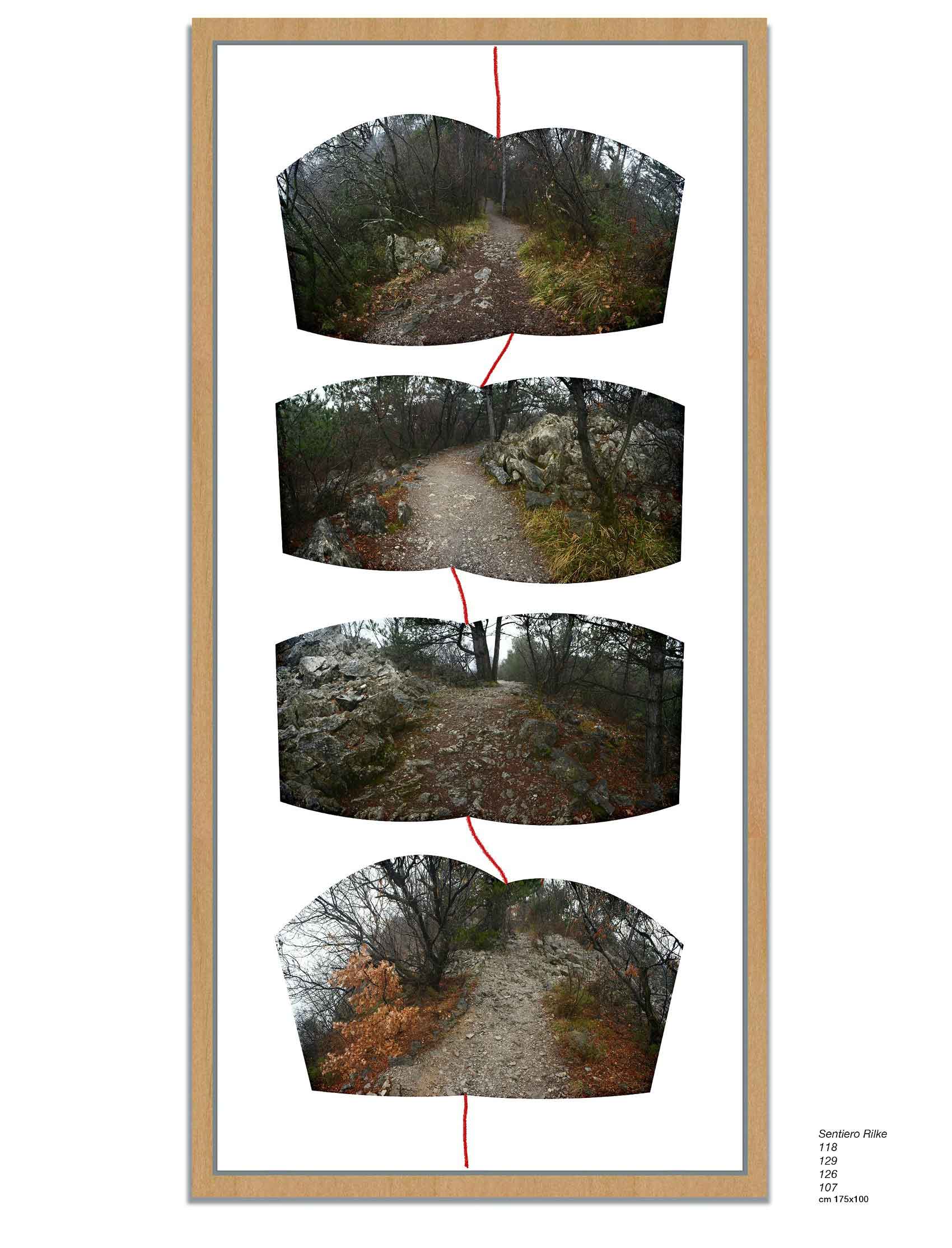
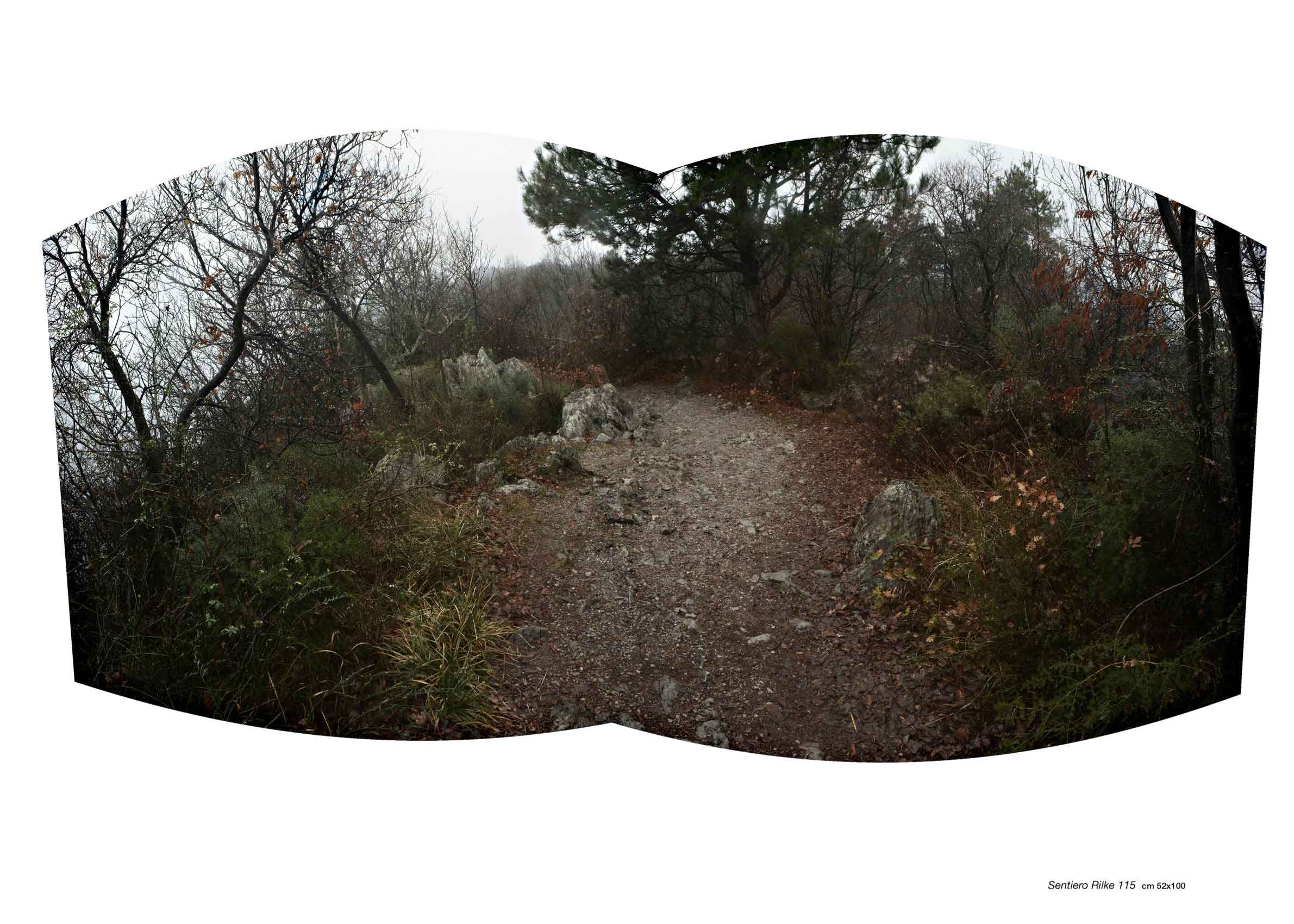
Mimicking the HOlderlin-Scardanelli walk on the Trieste Karst is for Sillani the pretext to probe the existential aspect of being, of being on the path. Sillani writes: “There is a cultural gap between me and that world. If I can have the pleasantness of his poems, I cannot really share his romantic, classical, religious ideals. But I can usehis history, his Image, his walks.” Use to make it one’s own, as Martin Heidegger did by writing a book of philosophy using only the hymn Andenken, or as Luigi Nono, who composed the musical piece Fragments of Silence, to Diotima inspired by the texts of various poems by Holderlin.
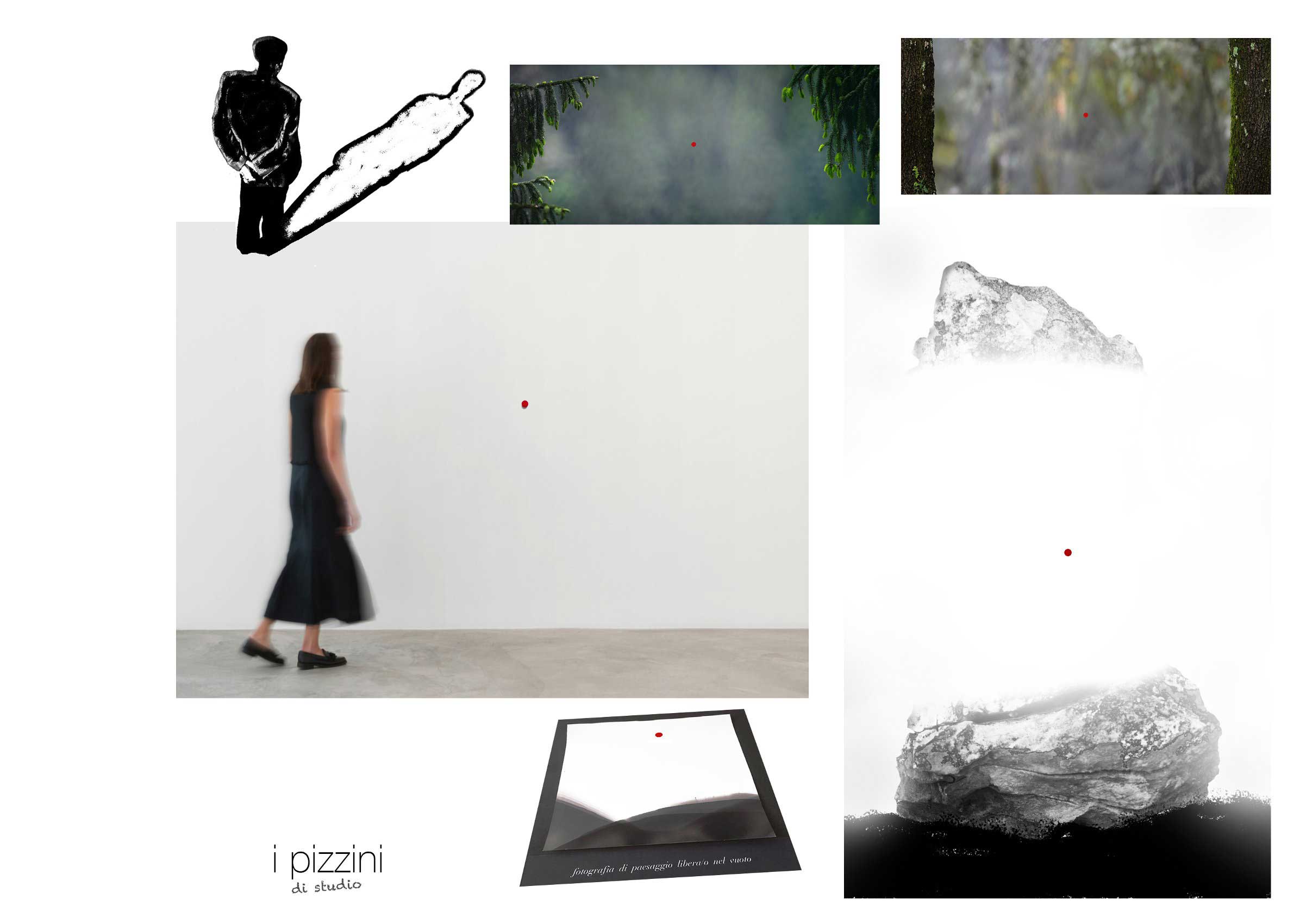
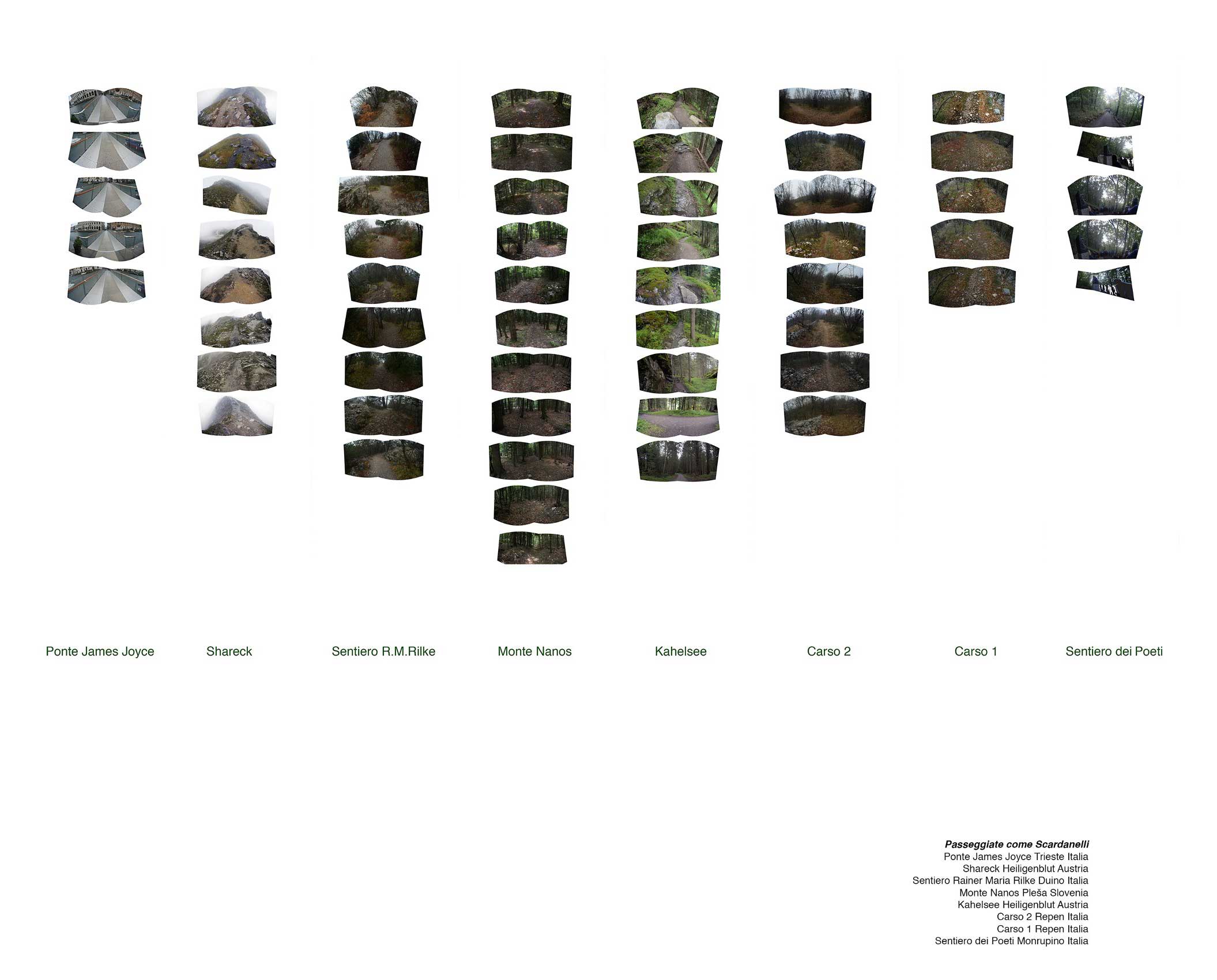
Sillani again: “I imitate Scardanelli’s walks by walking on the paths of the Karst or other places dear to me. If for many people the walk is difficult because the path is impassable, the attempt to reach the destination will be rewarding in itself. If the path is easy and not intricate the focus will be all on the landscape, to left and right. For me the path, whatever it is, turns out to be a void, the energetic Void that lies at the center of my Landscape.” As indeed it was for a maddened HOlderlin who walks it without really being there because he is all caught up in his poetic world, that is, as if he were at the center of abubble madeof only pure poetry.
So for Sillani, who calls himself an endotic landscaper (not exotic, distant, but close, internal to himself) crossing the landscape means possessing it, as in the definition given to Chinese painting, in the dual form of empty-negative and full-positive, or vice versa.ln keeping with the symbol of the Tao that he wears on his Tai Chi exercise dress. Just as every force has its weakness, just as every electron has its positron, and even the black holes of the cosmos have their corresponding white holes, so for Sillani each of us has a black and a white soul that keep us in balance with the rest of nature. And it is on the path, that as the clearing receives more light, the manifestation of who we are becomes more apparent, it is there that we ascertain that we are.
“If I could fly a meter above the ground and thus traverse the woods, waters, stony ground, etc., I would not need the path. But fortunately I am a real body, and the objective relationship with nature, made up of pressing physical tasks, allows me to do what I do with the means I have at my disposal, and to be what I am without illusions, fictions, untruths, but with the distinct feeling of freedom.” (Gabriella Cardazzo)